
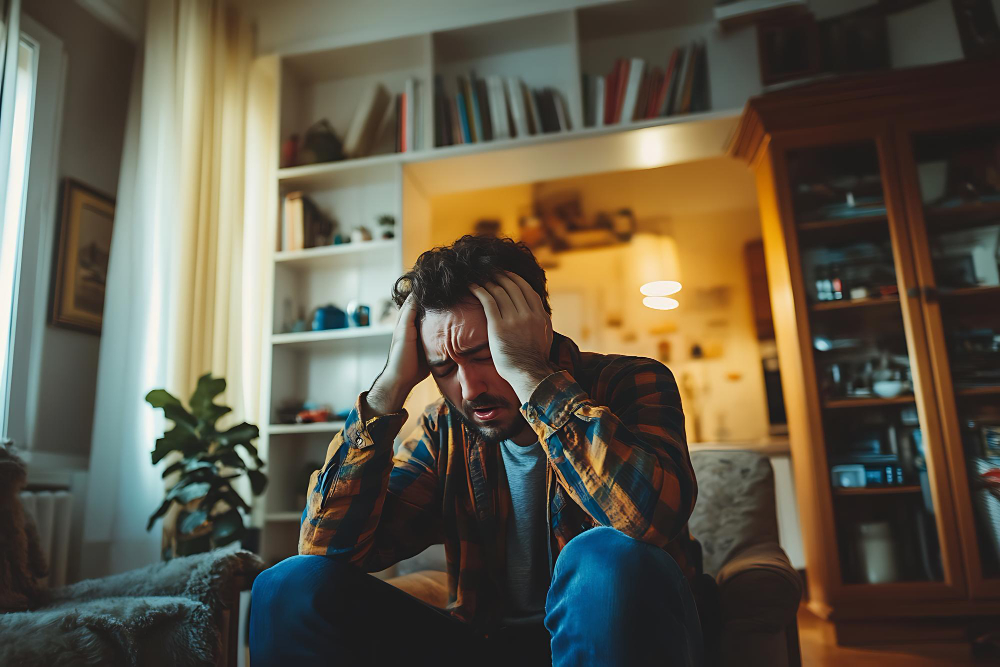
What is Social Anxiety Disorder?
Social Anxiety Disorder is a mental health condition. It causes intense fear in social situations. People with this disorder worry about being judged or embarrassed. For many, even simple tasks like talking to strangers or eating in public feel overwhelming. According to the World Health Organization (WHO), this condition affects millions worldwide. Because it can impact daily life, understanding social anxiety is important. Overcoming social anxiety starts with knowing what it is and how it affects you.
Common Symptoms and Signs
People with Social Anxiety Disorder often notice certain symptoms. These signs can appear before, during, or after social events. For example, you might feel:
Sometimes, these symptoms are so strong that people avoid important activities. However, with the right support, many can manage these feelings.
Causes and Risk Factors
Several factors can lead to Social Anxiety Disorder. While the exact cause is not always clear, experts believe it is a mix of genetics and environment. For instance, if a close family member has social anxiety, you may be more likely to develop it. Additionally, stressful or embarrassing events in childhood can increase risk. Brain chemistry also plays a role. Some people have an overactive fear response. Because of these factors, anyone can develop social anxiety, but some are at higher risk.
How Social Anxiety Disorder is Diagnosed
Doctors and mental health professionals use interviews and questionnaires to diagnose Social Anxiety Disorder. First, they ask about your symptoms and how long you have had them. Next, they check if your fears are stronger than what most people feel. They may also rule out other conditions, such as depression or panic disorder. According to the Centers for Disease Control and Prevention (CDC), early diagnosis helps people get the right treatment. Therefore, it is important to talk to a professional if you notice symptoms.
Treatment Options for Social Anxiety Disorder
There are several effective treatments for Social Anxiety Disorder. Many people benefit from a mix of therapy, medication, and self-help strategies. For example:
Because everyone is different, treatment for social anxiety should be tailored to your needs. Overcoming social anxiety often takes time, but many people see improvement with support.
Lifestyle Tips and Coping Strategies
In addition to professional treatment, daily habits can make a big difference. For instance, you can:
Moreover, setting realistic goals helps you track progress. Remember, small steps can lead to big changes over time.
Prevention and When to Seek Help
While you cannot always prevent Social Anxiety Disorder, early action can help. For example, teaching children healthy coping skills may lower their risk. If you notice ongoing fear or avoidance, it is important to seek help. In fact, reaching out early can prevent symptoms from getting worse. If you or someone you know is struggling with social anxiety, consult a mental health professional Dr. Ambika Burman Khanna for personalized guidance.