
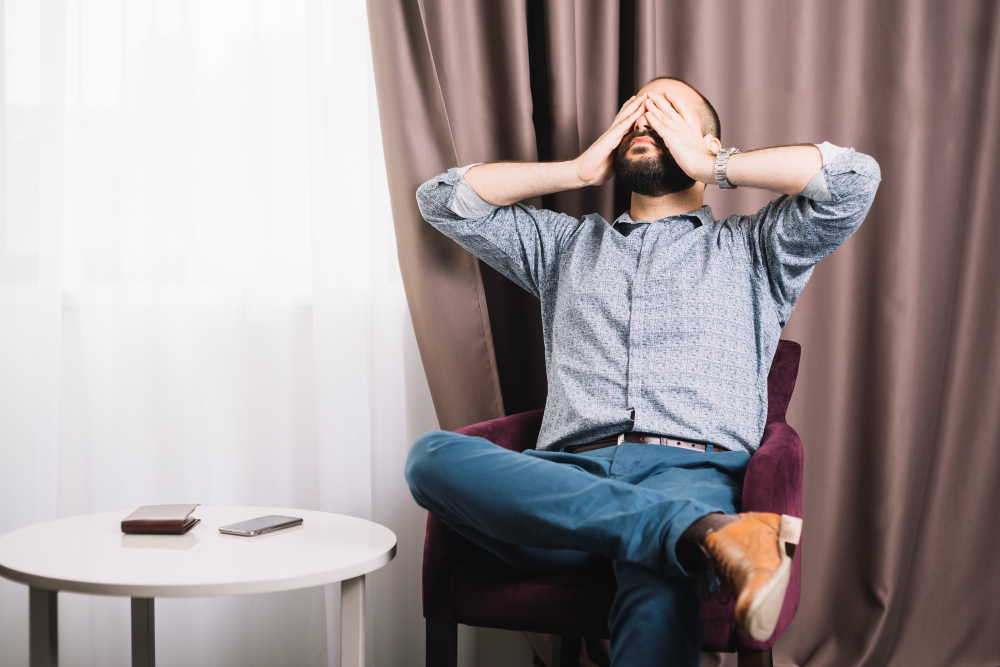
What is Anxiety?
Anxiety is a feeling of worry, fear, or unease. Everyone feels anxious sometimes. However, when these feelings last a long time or become very strong, they may be more than just normal worry. In fact, anxiety can affect your daily life, making it hard to work, study, or enjoy time with friends. According to the World Health Organization (WHO), anxiety is one of the most common mental health conditions worldwide. While mild anxiety can help you stay alert, severe anxiety may need treatment.
Common Symptoms of Anxiety
Many people experience anxiety symptoms in different ways. For example, you might notice changes in your body or thoughts. Some common signs include:
Sometimes, anxiety symptoms can seem like other health problems. But if these feelings last for weeks or months, it may be time to get help.
Causes and Risk Factors
There is no single cause of anxiety. Instead, many things can play a role. For instance, your family history, brain chemistry, and life events may all increase your risk. Some common risk factors include:
Although anyone can develop anxiety, some people are more likely to experience it. Knowing your risk can help you take steps to manage anxiety early.
How Anxiety is Diagnosed
Doctors use several steps to diagnose anxiety. First, they ask about your symptoms and how long you have felt them. Next, they may do a physical exam to rule out other health issues. Sometimes, you may fill out a questionnaire about your feelings and daily life. If needed, your doctor may refer you to a mental health specialist. Early diagnosis can help you find the right treatment for anxiety and improve your quality of life.
Effective Treatment Options
There are many ways to treat anxiety. The best treatment depends on your symptoms and needs. Some common options include:
Often, a mix of these treatments works best. Your doctor can help you choose the right plan for you. According to the CDC, most people see improvement with proper care.
Lifestyle Tips for Managing Anxiety
In addition to treatment, healthy habits can make a big difference. For example, you can try these tips to manage anxiety:
Although these steps may seem simple, they can help reduce anxiety symptoms over time.
Prevention and When to Seek Help
While you cannot always prevent anxiety, you can lower your risk. For instance, managing stress, staying active, and building strong relationships can help. However, if anxiety symptoms last more than a few weeks or get in the way of daily life, it is important to seek help. You should also reach out if you have thoughts of harming yourself or others. Early support can make recovery easier and faster.
In summary, anxiety is common but treatable. If you or someone you know struggles with anxiety, do not wait. Consult a mental health professional Dr. Ambika Burman Khanna for personalized advice on managing anxiety.