
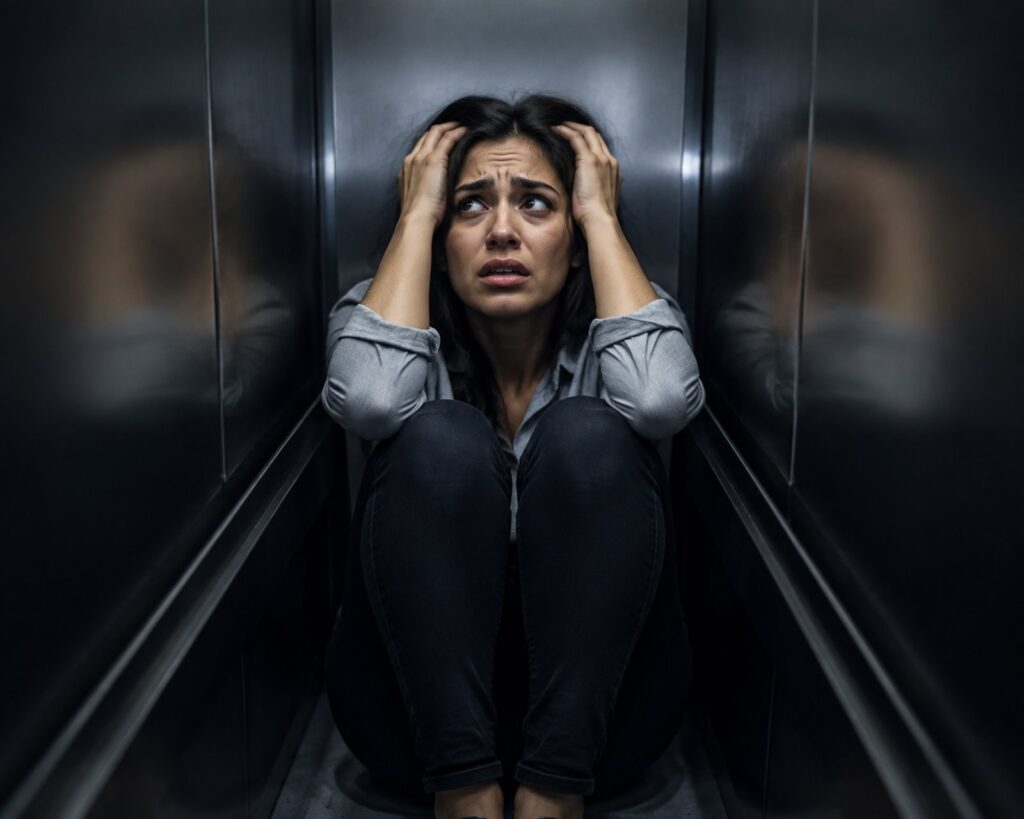
Introduction: Feeling Trapped Is Real
Imagine stepping into an elevator. Suddenly, your heart races, your palms sweat, and you feel a strong urge to escape. For many, this is not just a passing worry. Instead, it is a real fear called claustrophobia. This fear of closed spaces can cause intense anxiety. Many people live with these feelings in silence. However, you are not alone. With the right support, including help from Dr. Ambika Burman Khanna, it is possible to manage these fears and regain control.
What Is Claustrophobia?
Claustrophobia is a type of anxiety disorder. It causes strong fear in closed or crowded spaces, like elevators, airplanes, or MRI machines. While some people may feel mild discomfort in small spaces, claustrophobia brings a much stronger reaction. It is important to know that claustrophobia is not a weakness or something a person chooses. Instead, it is a genuine anxiety response that can be managed with the right support.
What Does Claustrophobia Feel Like?
For those with claustrophobia, the symptoms can be both physical and emotional. For example, you may notice:
Emotionally, you might feel trapped or overwhelmed. There may be a fear of losing control or a strong urge to escape. These symptoms can feel very frightening. But, with understanding and support, they can be managed.
The Hidden Impact of Living With Claustrophobia
Living with claustrophobia can affect daily life in many ways. For instance, you may avoid elevators, flights, or even medical scans like MRIs. Some people plan their day around avoiding certain places. Others always look for exits or escape routes. While avoiding these situations may provide temporary relief, it can increase fear over time. This can make life feel smaller and more stressful.
Why Does Claustrophobia Happen?
There is no single cause for claustrophobia. However, several factors may play a role:
But, it is important to remember that anyone can develop claustrophobia. It is not your fault, and you are not alone.
When Should Someone Seek Help?
Sometimes, fear of closed spaces can start to affect daily life. You may want to seek help if:
If you notice these signs, reaching out to a mental health professional like Dr. Ambika Burman Khanna can be a helpful step.
Treatment and Management Options for Claustrophobia
There are several ways to manage claustrophobia. With support, many people find relief and regain confidence. Some common options include:
Each person’s journey is different. Therefore, a personalized plan is important for the best results.
How Family Members Can Support Someone With Claustrophobia
Support from loved ones can make a big difference. Here are some ways to help:
Remember, recovery takes time. Your support can help your loved one feel less alone.
Living Beyond Fear: A Message of Hope
Claustrophobia does not have to control your life. With therapy, support, and self-care, it is possible to feel better. Progress may be gradual, but every step counts. Dr. Ambika Burman Khanna and her team are here to help you find hope and confidence again.
FAQs
What is claustrophobia?
Claustrophobia is an anxiety disorder. It causes strong fear in closed or crowded spaces, such as elevators or airplanes.
What are the common symptoms of claustrophobia?
Common symptoms include a fast heartbeat, sweating, shortness of breath, trembling, chest tightness, dizziness, and a strong urge to escape.
Is claustrophobia a mental illness?
Yes, claustrophobia is a type of anxiety disorder. It is a recognized mental health condition that can be managed with support.
Can claustrophobia be treated?
Claustrophobia can be managed with therapy, coping techniques, and sometimes medication. Many people see improvement with the right support.
Does CBT help with claustrophobia?
Yes, Cognitive Behavioural Therapy (CBT) is often helpful. It teaches new ways to think about and respond to fear.
How can I manage fear during an MRI scan?
Try deep breathing, listen to calming music, or ask about open MRI machines. Let the staff know about your fears so they can help you feel more comfortable.
Conclusion
Claustrophobia is a real anxiety condition. It can affect daily life, but it is manageable. Seeking help is a positive step. With professional guidance, you can regain confidence and enjoy life more fully. If fear of closed spaces is affecting your daily life, consult at The Safe Couch for personalized mental health guidance and support in managing anxiety and claustrophobia.
Living with fear of enclosed spaces or anxiety that affects your daily routine? Consult at The Safe Couch for compassionate, personalized mental health support and effective anxiety management strategies.